




Key Takeaways
Happy tenants are more likely to renew their leases, helping landlords reduce costly turnover and vacancy periods.
Clear communication and prompt maintenance responses are essential for building strong landlord-tenant relationships.
A safe, well-maintained property and respectful treatment of tenants contribute to higher satisfaction and retention.
Simple actions like showing appreciation and creating a smooth renewal process can encourage long-term tenancy.
Many rental property owners face challenges with tenant turnover and vacancy periods. As the team at KRS Lynchburg Property Management understands, every time a tenant moves out, there is a risk that the property may sit empty while finding a replacement. Since a vacant rental does not generate income, keeping good tenants happy and encouraging them to stay longer is one of the most effective ways to protect the profitability of your investment.
The Cost of Rental Turnover
Tenant turnover is more expensive than many landlords realize. When the rental property is vacant, it does not earn income; however, expenses like bills and utilities still need to be paid. This can affect your cash flow and overall profitability.
During the turnover process, landlords face several costs, including:
Lost Rental Income: The property generates no income while vacant.
Cleaning Costs: The unit typically needs professional cleaning before it can be shown to prospective tenants.
Repairs and Maintenance: Walls may need repainting, carpets may require cleaning or replacement, and maintenance issues often need to be addressed between tenants.
Marketing and Advertising: Listing the property and promoting vacancies requires time and resources.
Leasing Activities: Showings, application reviews, tenant screening, and lease preparation all require effort and administrative work.
Utility Expenses: Landlords may need to cover utilities while the property is vacant.
Property Wear and Tear: Preparing the property for the next tenant often involves addressing normal wear accumulated during the previous tenancy.
Effective Tips for Keeping Tenants Happy
Because turnover can be costly and time-consuming, many landlords focus on tenant retention strategies.

Keeping good tenants satisfied often costs far less than replacing them, making strong landlord-tenant relationships an important part of long-term rental property success.
1. Communicate Clearly and Regularly
Strong landlord-tenant relationships begin with good communication. Tenants want to know that they can easily reach their landlord when questions arise and that their concerns will receive a timely response. Clear communication helps establish trust and creates a more professional rental experience from the start.
Landlords should make it easy for tenants to report maintenance issues, ask questions, or discuss concerns. Establishing clear communication channels and setting expectations for response times can prevent frustration and misunderstandings. When communication breaks down, small issues often become larger problems that could have been avoided through a simple conversation.
2. Respond to Maintenance Requests Quickly
Maintenance concerns are one of the most common sources of tenant dissatisfaction. When something in the home stops working, tenants expect the issue to be addressed within a reasonable timeframe. Prompt responses show tenants that their comfort and safety are important.
Delaying repairs can damage more than just the property. It can also damage the landlord-tenant relationship. Small maintenance issues can become expensive repairs when left unresolved, and tenants who feel ignored may be more likely to move when their lease expires. Establishing clear maintenance procedures and communicating repair timelines helps build confidence and trust.
3. Start With a Positive Move-In Experience
The relationship with a tenant begins before the first rent payment is ever made. A clean, well-maintained property and an organized move-in process help create a strong first impression and set the tone for the tenancy.
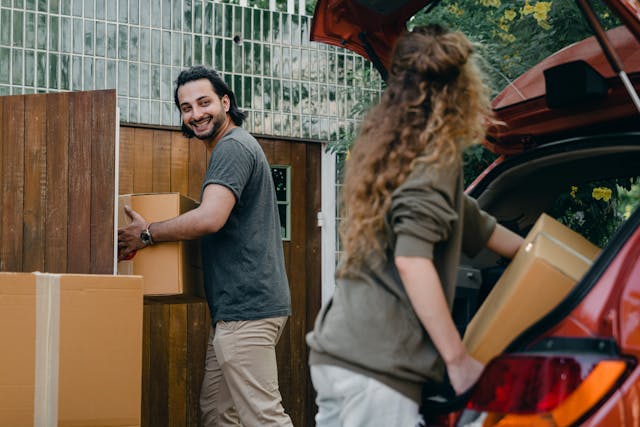
Taking time to explain lease terms, maintenance procedures, and property expectations can help tenants feel comfortable from day one. Completing a move-in inspection with a checklist and photos can also help prevent future disputes regarding property conditions. A positive start often contributes to a smoother and more successful landlord-tenant relationship.
4. Keep the Property Safe and Well Maintained
Tenants are more likely to stay in a rental property that is clean, safe, and properly maintained. Regular upkeep shows that the landlord takes pride in the property and values the tenant's living experience.
Preventive maintenance can also help avoid larger and more expensive problems down the road. Routine inspections, HVAC servicing, plumbing checks, and exterior maintenance all contribute to a better rental experience. When tenants see that the property is being cared for, they are often more willing to take care of it themselves.
5. Respect Tenant Privacy
Although landlords own the property, tenants view it as their home. Respecting their privacy is essential for maintaining a positive relationship and building trust.
Landlords should follow Oklahoma's notice requirements before entering a rental unit and communicate clearly when inspections or repairs are needed. Providing proper notice demonstrates professionalism and respect. Ignoring privacy concerns can quickly create tension and lead tenants to feel uncomfortable in their own home.
6. Be Fair and Consistent
Consistency is one of the most important qualities of effective property management. Lease terms, policies, and procedures should be applied fairly to all tenants to avoid confusion and perceptions of favoritism.
It is also important to ensure that decisions are made in compliance with fair housing laws and other applicable regulations. Being overly strict with some tenants while making exceptions for others can create unnecessary conflict. A fair and consistent approach helps foster respect and creates a more stable rental environment.
7. Show Appreciation for Good Tenants
Reliable tenants play a major role in the success of a rental property. They pay rent on time, care for the property, and help create a positive rental experience. Taking time to acknowledge and appreciate these tenants can help strengthen the relationship.

Simple gestures such as thanking tenants for renewing their lease, recognizing their cooperation during inspections, or responding promptly to their concerns can make a meaningful difference. Tenants who feel valued are often more likely to remain in the property and continue being responsible residents.
8. Make Lease Renewals Easy and Transparent
The lease renewal process can significantly influence whether a tenant decides to stay or move. Clear communication and early discussions help tenants evaluate their options without feeling rushed or pressured.
Providing renewal information well before the lease expires gives tenants time to plan accordingly. If changes are necessary, explaining them clearly helps maintain trust and transparency. A smooth renewal process can improve retention and reduce costly turnover and vacancy periods.
Bottom Line
Strong landlord-tenant relationships are built through clear communication, timely maintenance, consistency, and mutual respect. These efforts help improve tenant satisfaction, encourage lease renewals, and reduce costly turnover.
It is also important to remember that successful tenant relationships often begin with proper tenant screening. Placing qualified, responsible residents from the start can make it much easier to maintain a positive and productive rental experience throughout the tenancy.
Managing tenant relationships requires ongoing attention and effort, which is why many property owners choose to work with a professional property management company, which can help create a better experience for both landlords and tenants.
If you want to maximize tenant retention and protect your investment, contact KRS Lynchburg Property Management. Their experienced team can help you build stronger tenant relationships while simplifying the day-to-day responsibilities of rental property ownership.
