





Key Takeaways
Normal wear and tear refers to expected deterioration from everyday living, while tenant damage results from neglect, misuse, or intentional actions.
Landlords generally cannot charge tenants for normal wear and tear but may deduct repair costs for legitimate damage, depending on lease terms and local laws.
Factors like tenancy length, material lifespan, and severity of damage should be considered when evaluating property condition.
Thorough documentation, move-in and move-out checklists, and clear tenant communication help reduce disputes and support fair property management decisions.
Understanding what qualifies as “normal wear and tear” is essential for every landlord. It affects how you handle security deposits, evaluate property conditions, and communicate expectations with tenants. Misunderstanding this concept can lead to disputes, delayed turnovers, and potential legal issues.
Normal wear and tear refers to the gradual, expected decline in a property’s condition caused by everyday use. It happens even when tenants take care of the home. Damage, on the other hand, results from neglect, misuse, or intentional actions. Knowing the difference helps landlords make fair decisions and protect their investment.
Partnering with KRS Property Management can help.
What Is Normal Wear and Tear?
Normal wear and tear refers to the gradual and expected decline in a property’s condition that occurs through everyday use. These changes happen naturally over time, even when tenants take proper care of the home. They do not indicate negligence or misuse but are simply the result of normal living activities.
This type of wear can appear in different ways throughout the property. Walls may develop light scuff marks from the regular movement of furniture or daily contact. Small nail holes are common when tenants hang décor or artwork.
Paint and flooring may fade over time due to consistent exposure to sunlight, especially in areas with large windows. Carpets often show minor wear in high-traffic areas such as hallways and living rooms, even when cleaned regularly.
Fixtures and hardware also experience natural use. Door handles may loosen slightly, and finishes on cabinets and countertops may show signs of aging after extended use. These are typical conditions that develop gradually and are part of a property’s normal lifecycle.
Because these changes are expected, landlords are generally responsible for addressing them as part of routine maintenance. Refreshing paint, replacing worn materials, and maintaining fixtures are considered standard upkeep rather than tenant-caused damage.
What Is Considered Tenant Damage?
Tenant damage goes beyond normal use and typically results from carelessness, neglect, or improper behavior. Unlike everyday wear, these issues are not part of a property’s natural aging process and often occur when the home is not used or maintained responsibly.

Damage can take many forms throughout the property. Walls may have large holes or deep dents rather than minor scuffs. Doors, windows, or fixtures may be broken instead of simply worn. Carpets can develop heavy stains, burns, or lingering odors that cannot be removed through standard cleaning.
Appliances may be missing or damaged, and water damage may occur when leaks or plumbing issues are ignored rather than reported. In some cases, pets can cause noticeable damage through scratching, chewing, or staining surfaces.
These types of issues are not expected from normal occupancy and usually require repair or full replacement. Because they go beyond typical use, landlords may be able to charge tenants for the cost of repairs, depending on local laws and the terms outlined in the lease agreement.
Why Landlords Must Know the Difference
Distinguishing between wear and tear and damage is important when it comes to handling security deposits.
Landlords cannot charge tenants for normal wear and tear. Doing so can lead to disputes and may violate local regulations. At the same time, failing to charge for legitimate damage can result in unnecessary expenses.
A clear understanding allows landlords to make fair decisions and maintain compliance with state and local laws.
How Length of Tenancy Affects Wear
The amount of wear a property experiences often depends on how long a tenant has lived there. A home occupied for several years will naturally show more signs of use than one rented briefly.

Landlords should consider tenancy length when evaluating condition, as some wear may be expected over time rather than classified as damage.
The Role of Material Lifespan
Materials wear out over time, and their expected lifespan should be considered when assessing property condition. Carpet, paint, flooring, and appliances naturally age with use.
If an item has reached the end of its useful life, deterioration may be considered normal wear rather than tenant damage.
Common Gray Areas
Some situations are not always clear and may fall between wear and tear and damage.
For instance, minor carpet discoloration may be considered normal wear, while large or heavily stained areas may be classified as damage. Small nail holes are usually acceptable, but large holes or excessive wall damage may not be.
Evaluating the size, severity, and cause of the issue helps determine how it should be classified. Being consistent in how you make these decisions is important for avoiding disputes.
Documenting Property Condition
Good documentation helps landlords evaluate wear and tear fairly.
Before move-in, record the property’s condition using photos, notes, and a checklist. At move-out, compare the current condition to those records to identify changes.
Keeping consistent documentation helps support fair security deposit decisions and reduces disputes.
Handling Repairs and Costs
When damage is identified, landlords may deduct reasonable repair costs from the tenant’s security deposit.
Costs should reflect the actual condition of the item, not full replacement value, if it has already experienced wear. For example, if a carpet is partially worn, the tenant may only be responsible for the remaining useful life.
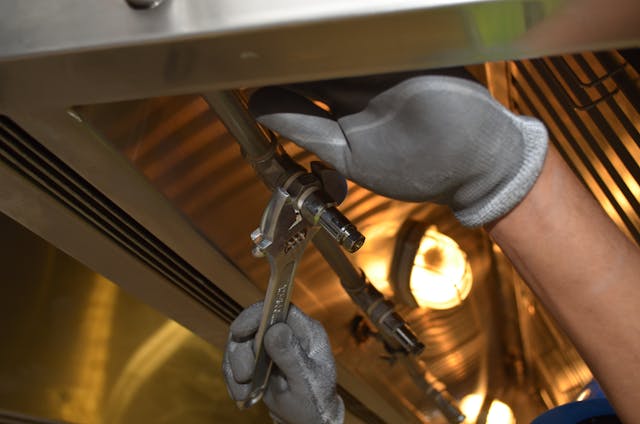
Providing an itemized list of deductions and keeping receipts helps ensure transparency and builds trust.
Preventing Excessive Damage
Clear lease terms and communication help reduce unnecessary damage.
Tenants should understand expectations for cleaning, maintenance, and reporting problems early. Regular inspections and prompt repairs can also help prevent small issues from becoming larger expenses.
How Property Management Can Help
Evaluating property conditions, documenting inspections, and handling tenant communication requires time and consistency.
A professional property management company can oversee these processes, ensuring that wear and tear is assessed fairly and accurately. They manage inspections, maintain records, and handle move-in and move-out procedures.
KRS Lynchburg helps property owners manage these responsibilities and maintain well-kept rental properties.
Bottom Line
Normal wear and tear is expected in any rental property, but understanding how it differs from tenant damage helps landlords make fair decisions.
Clear documentation, consistent processes, and strong communication can help reduce disputes and protect your investment.
If you need help managing your rental property and handling tenant transitions, KRS Property Management can provide the support needed to keep your property running smoothly.
